
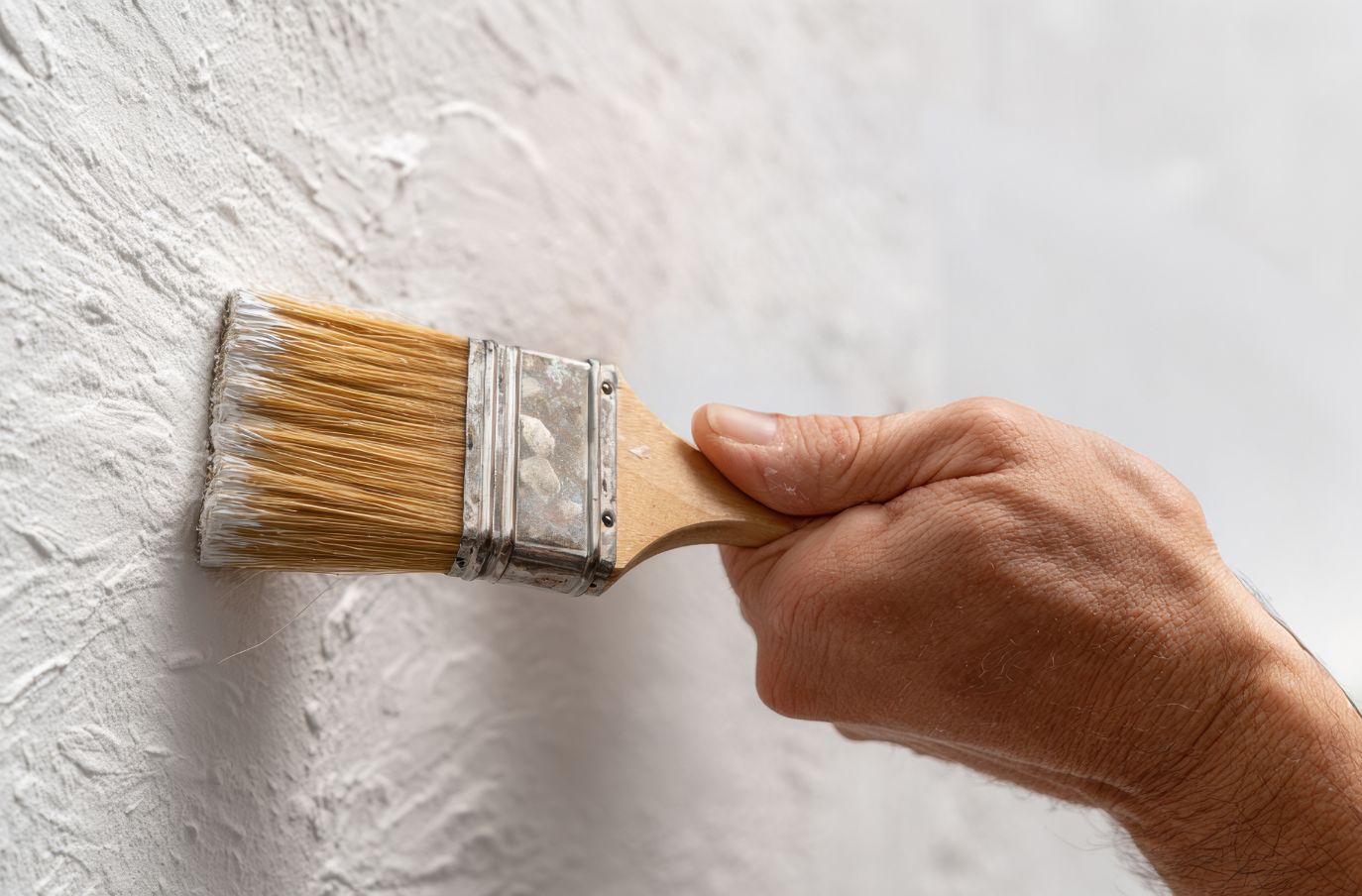
Complete Guide to Textured Wall Paint
When it comes to interior design, walls play a far more important role than simply holding up a roof. They set the mood of a space, influence how large or small a room feels, and act as a canvas for personal expression. While smooth, flat wall paints have long been the norm, textured wall paint has emerged as a popular alternative for homeowners, designers, and architects who want to add depth, character, and visual interest to their spaces.
Textured wall paint is more than just a decorative trend, it is a practical and creative solution that combines aesthetics with durability. From subtle patterns to bold, dramatic finishes, textured paints can transform ordinary walls into statement features. In this blog, we’ll explore everything you need to know about textured wall paint, including what it is, its types, benefits, application process, maintenance, and how to choose the right texture for your space.
What Is Textured Wall Paint?
Textured wall paint is a special type of paint that creates a raised, patterned, or three-dimensional finish on walls. Unlike regular paint, which results in a smooth surface, textured paint adds depth by incorporating aggregates such as sand, stone particles, or special additives. These elements create unique patterns and tactile surfaces once applied.
Textured wall paints can be used both indoors and outdoors. Indoors, they are commonly used for accent walls, living rooms, bedrooms, hallways, and feature spaces. Outdoors, textured paint adds durability and visual appeal to building exteriors, boundary walls, and façades.
Why Choose Textured Wall Paint?
Textured wall paint offers several advantages over conventional paint, making it a preferred choice for modern homes and commercial spaces.
1. Enhanced Visual Appeal
Textured walls instantly elevate the look of a room. They add dimension and character, making walls look more dynamic and interesting. Whether you prefer a rustic, industrial, or luxurious aesthetic, there is a texture to match your vision.
2. Hides Wall Imperfections
One of the biggest practical benefits of textured paint is its ability to conceal minor wall flaws such as cracks, dents, uneven plastering, or surface irregularities. The texture distracts the eye, making imperfections far less noticeable.
3. Durability and Longevity
Textured paints are generally thicker and more robust than standard paints. They resist wear and tear better, making them ideal for high-traffic areas such as hallways, staircases, and commercial spaces.
4. Adds Value to Your Space
A well-designed textured wall can increase the perceived value of a home or property. It gives the space a premium, designer look that stands out.
5. Versatility in Design
From subtle, minimal textures to bold, artistic patterns, textured wall paint offers endless design possibilities. You can customize finishes based on room size, lighting, and personal style.
Types of Textured Wall Paint
Textured wall paint comes in a wide variety of styles and finishes. Here are some of the most popular types:
1. Sand Texture Paint
Sand texture paint creates a grainy finish that adds a subtle yet sophisticated look to walls. It is ideal for living rooms, bedrooms, and exterior walls. The texture can range from fine to coarse, depending on the size of the sand particles used.
2. Knockdown Texture
This texture involves applying paint or compound to the wall and then “knocking down” the peaks with a trowel to create a soft, mottled pattern. It offers a contemporary look and works well in modern interiors.
3. Popcorn Texture
Often seen on ceilings, popcorn texture creates a bumpy, raised surface. While it is less popular today for walls, it is still used in specific design styles or for sound-absorbing purposes.
4. Orange Peel Texture
Resembling the surface of an orange, this texture is subtle and elegant. It’s commonly used in both residential and commercial interiors because it adds interest without overwhelming the space.
5. Stucco Texture
Stucco textures create a rustic, Mediterranean, or old-world charm. They are often used on exterior walls but can also be applied indoors for a bold design statement.
6. Marble and Stone Textures
These premium textured finishes mimic the look of marble, granite, or natural stone. They are perfect for luxury interiors, accent walls, and feature areas such as living rooms or hotel lobbies.
7. Metallic Textures
Metallic textured paints add shimmer and sophistication. They reflect light beautifully and are ideal for accent walls, contemporary interiors, and creative spaces.
Where Can You Use Textured Wall Paint?
Textured wall paint is extremely versatile and can be used in various parts of a home or commercial space.
- Living Rooms: A textured accent wall behind a sofa or TV unit can become the focal point of the room, adding depth and elegance.
- Bedrooms: Soft textures and neutral tones create a calming and cozy atmosphere. Avoid overly bold textures to maintain a relaxing vibe.
- Dining Areas: Textured walls in dining spaces add warmth and character, enhancing the overall dining experience.
- Hallways and Staircases: These high-traffic areas benefit from textured paint due to its durability and ability to hide scuffs and marks.
- Offices and Commercial Spaces: Textured walls can make offices, cafés, hotels, and retail spaces look more professional, creative, and inviting.
- Exterior Walls: Textured paint protects exterior walls from weather conditions while enhancing curb appeal.
How Is Textured Wall Paint Applied?
Applying textured wall paint requires more skill and preparation than regular painting. Here’s a general overview of the process:
1. Surface Preparation
The wall must be clean, dry, and free from dust, grease, or loose particles. Any major cracks or damages should be repaired before application.
2. Priming
A primer is applied to ensure proper adhesion and uniform texture. This step is crucial for long-lasting results.
3. Texture Application
Depending on the desired finish, texture is applied using tools such as rollers, trowels, brushes, sponges, or spray guns. Different tools create different patterns.
4. Drying Time
Textured paint takes longer to dry than standard paint. Adequate drying time is essential before applying any additional coats or finishes.
5. Final Coating (Optional)
In some cases, a top coat or sealant is applied to enhance durability, color depth, or water resistance.
Choosing the Right Textured Paint for Your Space
Selecting the right textured wall paint depends on several factors:
- Room Size: Heavy textures can make small rooms feel cramped, while subtle textures work better in compact spaces. Larger rooms can handle bolder designs.
- Lighting:Textures interact with light and shadow. Well-lit rooms highlight textures beautifully, while dim spaces may require lighter colors and softer patterns.
- Color Scheme: Neutral colors emphasize texture, while bold colors make a stronger visual statement. Consider how the texture will complement your existing décor.
- Maintenance Needs: Some textures are easier to clean than others. For kitchens or kids’ rooms, choose textures that can withstand cleaning and occasional scrubbing.
- Budget: Textured paint can be more expensive than regular paint due to material costs and labor. Set a budget and choose a finish that balances aesthetics and affordability.
Maintenance and Care
While textured wall paint is durable, proper maintenance ensures it stays beautiful for years.
- Dust textured walls regularly using a soft brush or vacuum attachment.
- Avoid harsh cleaning chemicals that can damage the texture.
- For stains, use a damp cloth and mild detergent.
- Touch-ups may require professional help to maintain uniform texture.
Pros and Cons of Textured Wall Paint
Pros
- Adds depth and visual interest
- Hides wall imperfections
- Long-lasting and durable
- Wide range of design options
- Enhances property value
Cons
- Higher cost than regular paint
- Requires skilled application
- Can be difficult to repaint or remove
- Some textures need more maintenance
Final Thoughts
Textured wall paint is an excellent choice for anyone looking to go beyond plain walls and create a distinctive, stylish environment. Whether you want a subtle, elegant finish or a bold, artistic statement, textured paint offers endless possibilities to express your personal style.
By understanding the different types, benefits, and application techniques, you can make informed decisions and choose the perfect texture for your space. With the right planning and professional painter, textured wall paint can transform your walls into works of art that enhance both the beauty and value of your home or commercial space.


